Ferries from the UK to France
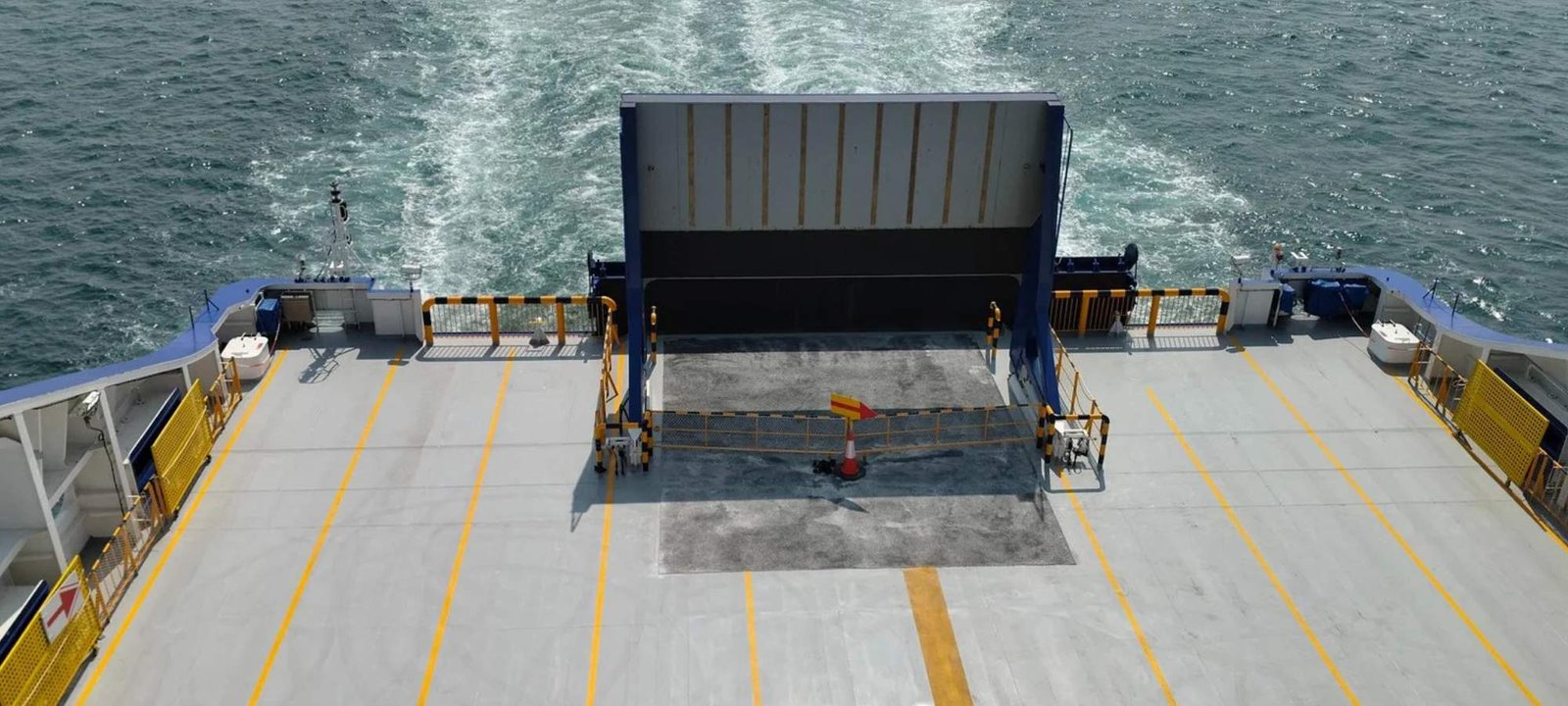
Which crossing to France is best depends on where you are heading. Dover to Calais or Dunkirk is quickest across, 90 minutes to two hours with sailings all day, but lands you in the far north with the driving still to do. The longer sailings from Portsmouth, Poole and Plymouth put you straight into Normandy or Brittany, often overnight, and can save half a day on the road. For the far south, the crossings to Bilbao and Santander do most of the miles at sea. We have sailed most of these routes ourselves; below we compare them by destination.
Routes
To reach your destination, these are the crossings we recommend.
Our experience
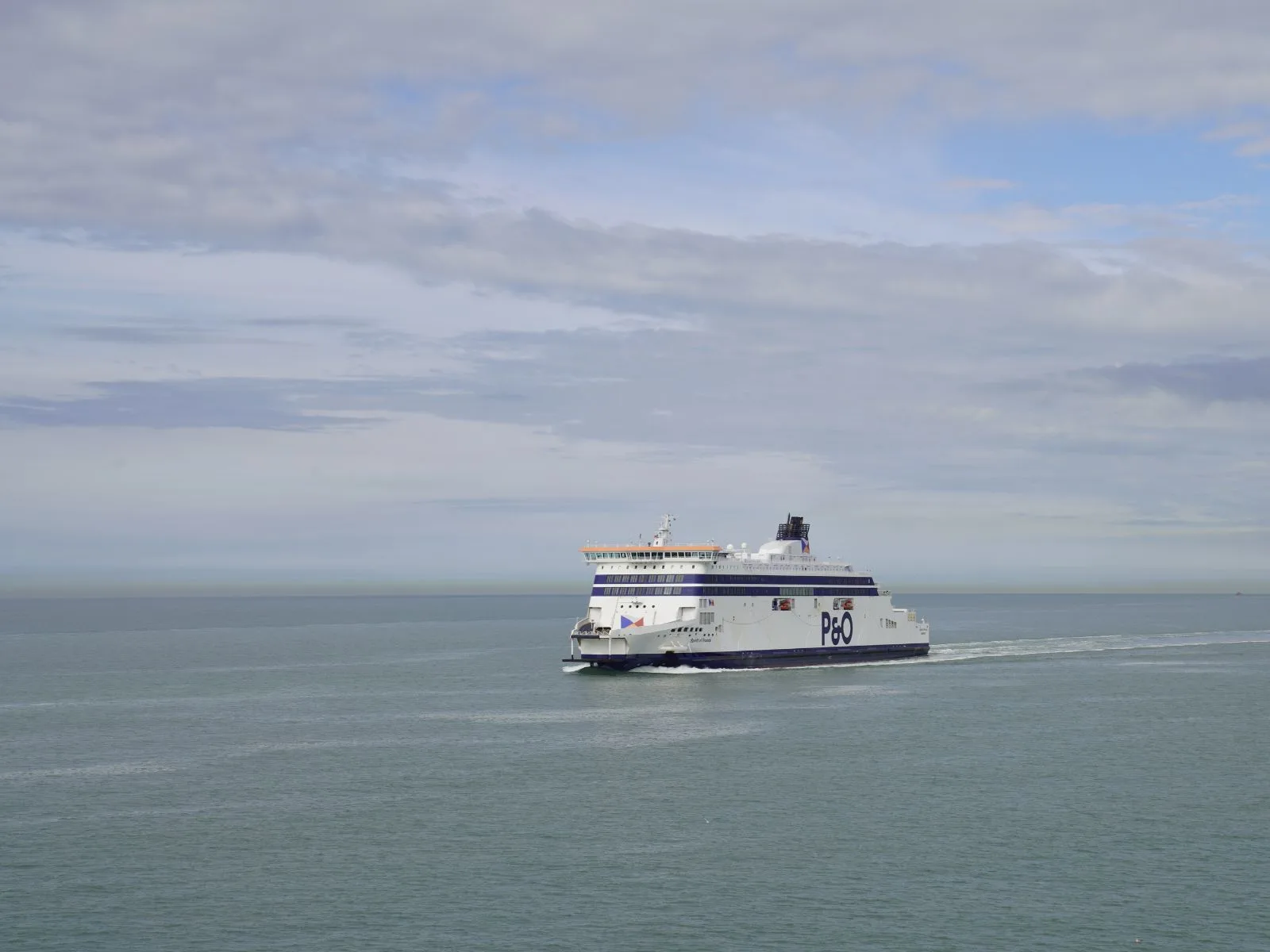
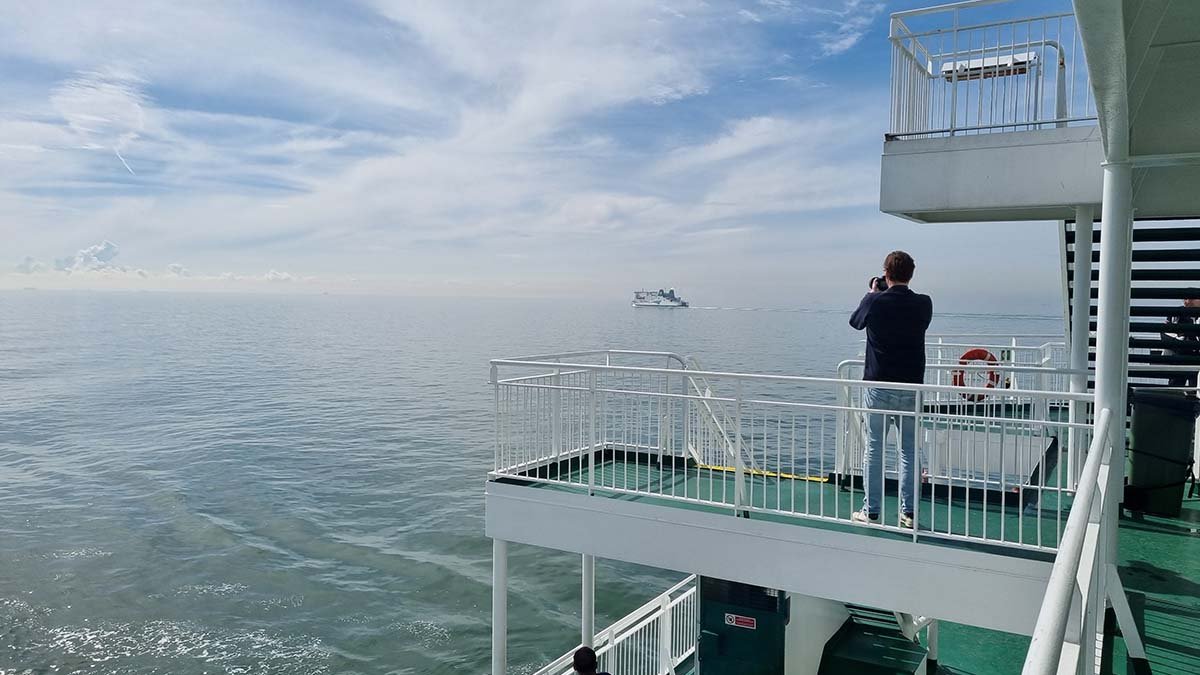
We have sailed Dover–Calais with every operator on the route. P&O Ferries stood out for us: competitive fares, modern ships and plenty of clean, comfortable space inside and out on deck. For most travellers heading to France, it’s usually the quickest and best-value way across.
Ferry services from the UK to France
More than a dozen ferry crossings connect England with France. The shortest routes operate between Dover and Calais or Dunkirk, while longer sailings from Portsmouth and Plymouth provide direct access to Normandy and Brittany. Most routes are operated by Brittany Ferries, DFDS, P&O Ferries and Irish Ferries.
Map with suggested the UK – France ferry routes
This map shows ferry routes from England to France, with crossing times, fares and the ports they sail from. Tap a route for details, tap a port for its sailings, or zoom in for more.
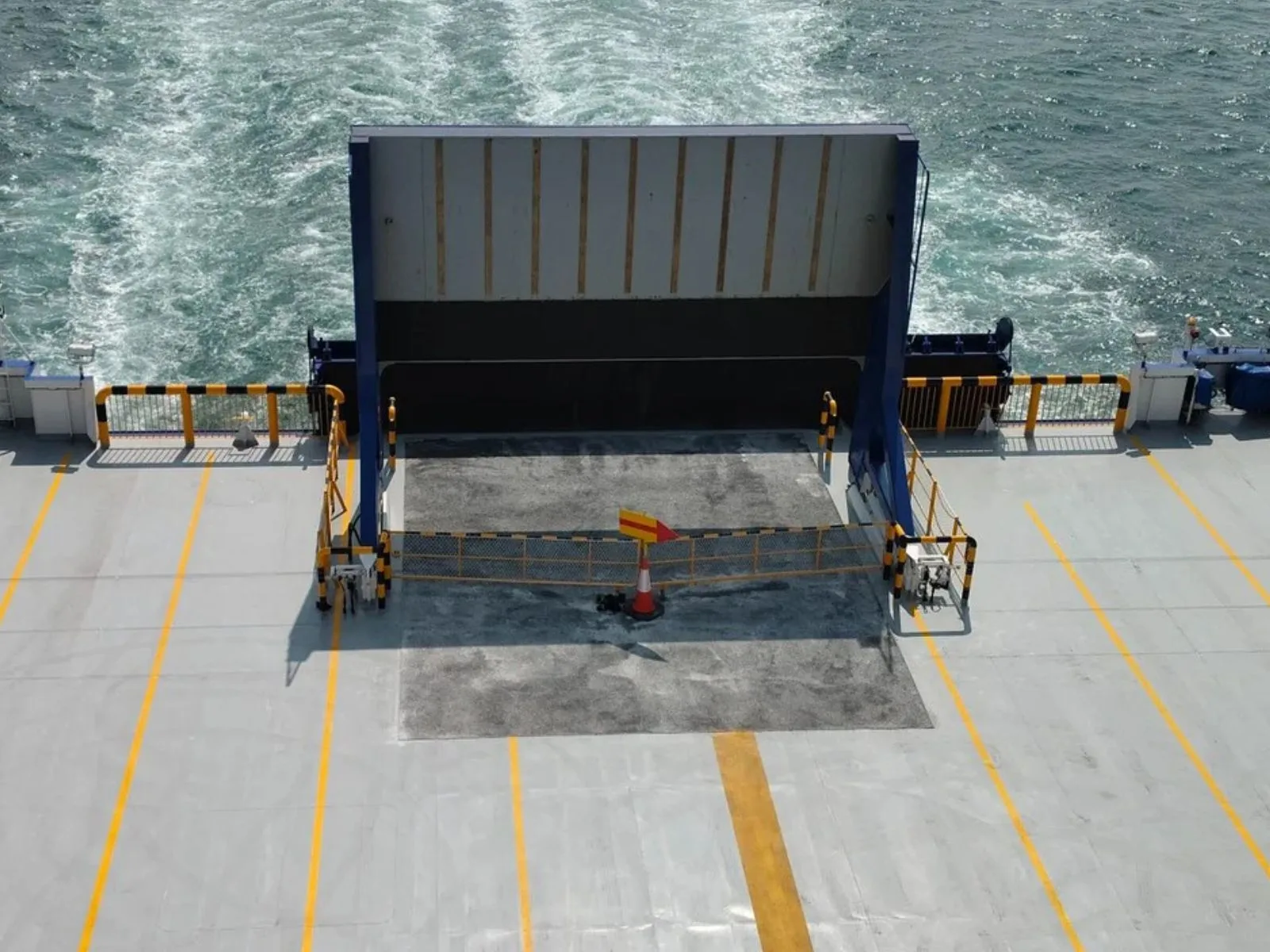
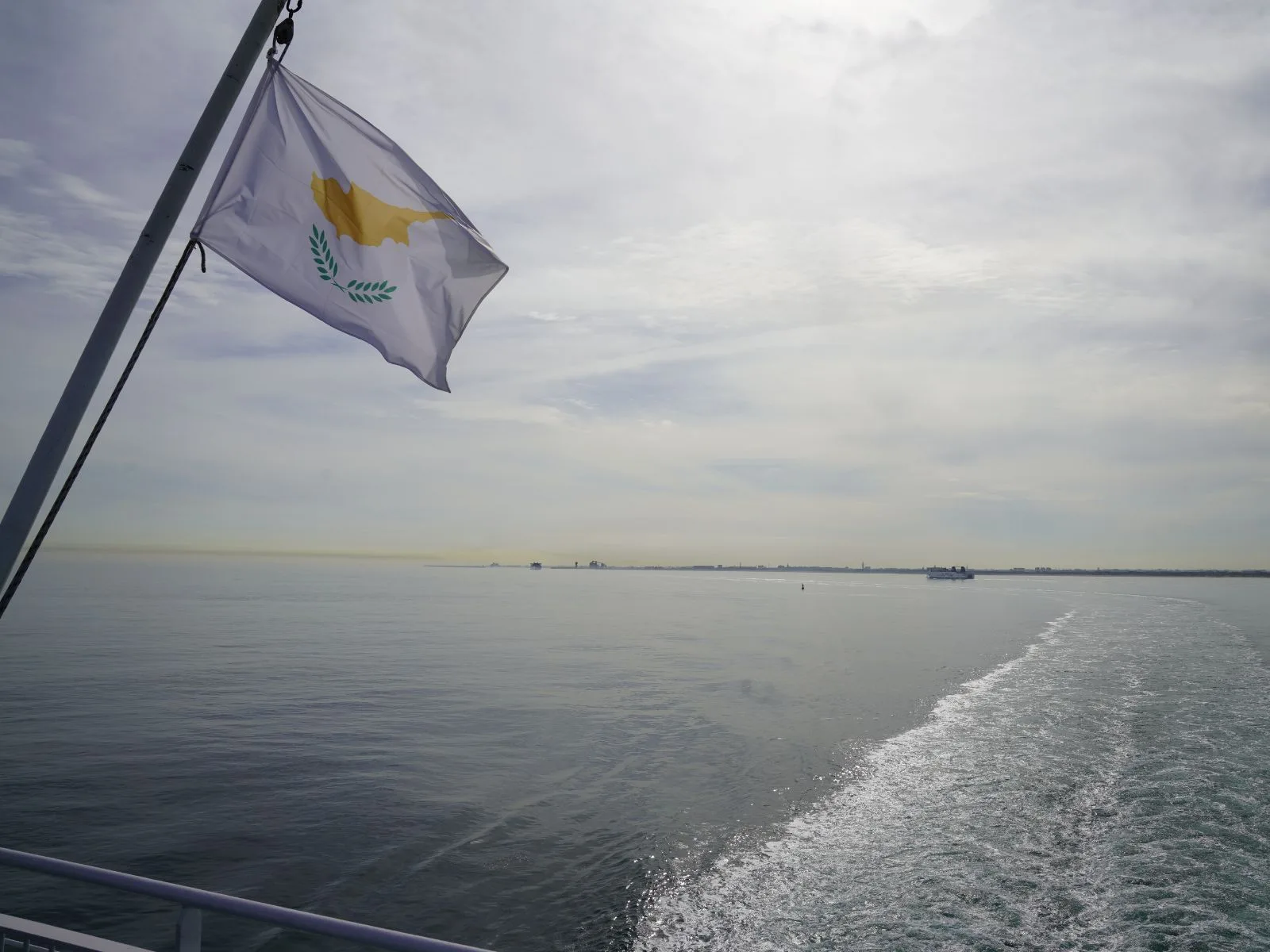
Photos from the journey
All ferry routes from the UK to France
There is no shortage of ferry options between England and France. Some routes focus on getting you across the Channel as quickly as possible, while others place you directly in Normandy or Brittany, reducing the amount of driving required after arrival. We’ve listed all currently available ferry routes below.
- Dover to Calais
- Dover to Dunkirk
- Newhaven to Dieppe
- Portsmouth to Caen
- Portsmouth to Cherbourg
- Portsmouth to Le Havre
- Portsmouth to Saint-Malo
- Poole to Cherbourg
- Plymouth to Roscoff
Travelling on foot?
Most ferry routes to France accept foot passengers, but some offer better onward connections than others. Newhaven-Dieppe and Portsmouth-Caen are often among the most practical choices for travellers relying on public transport.By car
France is one of the easiest countries in Europe to explore by car, which is one of the reasons ferry travel remains so popular. Whether you arrive in Calais, Dieppe, Caen, Cherbourg, Le Havre, Saint-Malo or Roscoff, you’ll find a well-developed road network connecting the ferry ports with destinations across the country. One advantage of travelling by ferry is that you can bring your own vehicle and continue your journey immediately after arrival. A longer crossing to Normandy or Brittany can sometimes save several hours of driving compared with arriving in northern France.
| Arrival port | Paris | Brittany | Bordeaux |
|---|---|---|---|
| Calais | 3h | 6h | 8h 15m |
| Dieppe | 2h 15m | 4h | 6h 45m |
| Caen | 2h 45m | 1h-2h | 6h |
| Saint-Malo | 4h | 0h | 5h |
| Roscoff | 6h | 0h | 6h |
Compare & book
Pick your route to see live times and prices.
Compare prices →
We send you to the ferry operator or price comparison
Frequently asked questions
What is the shortest ferry crossing to France?
Dover to Calais, at around ninety minutes port to port. Dover to Dunkirk takes about two hours, and the western routes to Normandy and Brittany run from four hours to a full overnight sailing.
What documents do I need for a ferry to France?
A passport for every traveller (mind the post-Brexit rules on issue and expiry dates), your booking reference, and for drivers the vehicle paperwork plus a UK identifier on the car. No visa is needed for stays of up to ninety days.
Is the ferry or Eurotunnel better?
The ferry is usually cheaper and gives you a real break, with a meal and sea air; LeShuttle is faster at around thirty-five minutes and less weather-sensitive. In our experience the ferry wins on holiday feeling, the tunnel on pure speed.
Still weighing up your options?
We have crossed the Channel to France more times than we can count, on most of the routes and with most of the operators. Tell us where you are starting and we will point you to the smartest way across.