Overnight ferries to France: sleep your way across the Channel
Most people picture the ferry to France as the quick Dover dash – on at lunchtime, off ninety minutes later. But there is a quieter, often smarter way to cross: the overnight ferry. You board in the evening, sleep in a cabin, and drive off into Normandy or Brittany the next morning, rested and already deep into France. Here is how the overnight crossings work, who sails them, and how to get the most from a night at sea.
Ready to compare crossings? Find your route on the homepage.
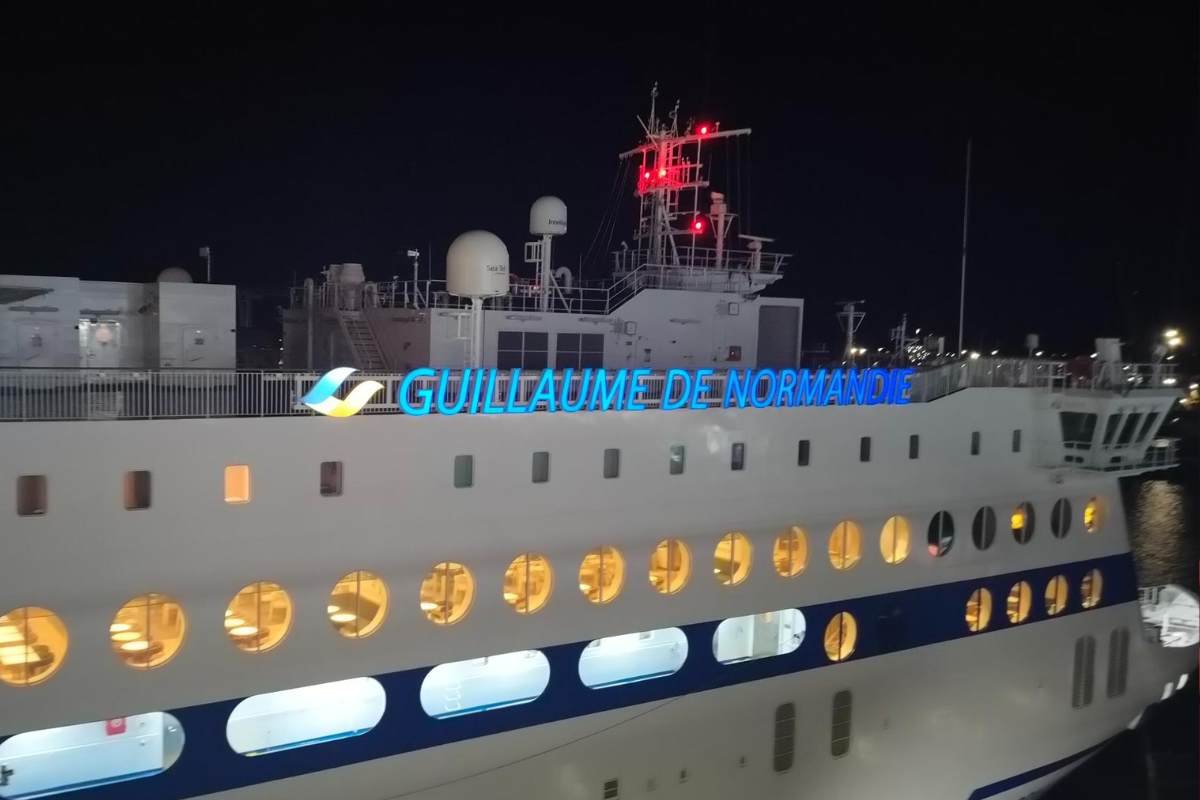
Why take an overnight ferry?
The appeal is simple: you turn dead travel time into sleep. Instead of a dawn start, a long motorway slog and a tired arrival, you board in the evening, have dinner aboard, and wake up in France. For anyone heading to the west of the country, it is often the difference between a holiday that starts relaxed and one that starts frazzled.
- You arrive rested. A proper night’s sleep in a cabin beats a 4am alarm and a day behind the wheel.
- You land closer. The western crossings drop you deep into Normandy or Brittany, cutting hours off the drive you would face from Calais.
- The crossing becomes part of the trip. Restaurants, bars, sea views and a cabin of your own – it feels more like a mini-cruise than a commute.
- It suits campervans and bikes. No height-of-day traffic, and you start your French miles fresh in the morning.
The overnight crossings, port by port
Almost all the overnight sailings to France leave from the south coast, run by Brittany Ferries, with one DFDS route from Newhaven. Here is who sails where:
- Portsmouth to Caen (Ouistreham) – the most popular overnight route, and a great gateway to Normandy and beyond.
- Portsmouth to St Malo – around 11 hours, landing you right in walled, postcard Brittany.
- Portsmouth to Cherbourg – roughly 9 to 9.5 hours overnight, handy for the Cotentin and western Normandy.
- Portsmouth to Le Havre – the closest French port to Paris by car, useful if the capital is your target but you still want the overnight comfort.
- Plymouth to Roscoff – the original Brittany Ferries route, ideal if you are starting in the South West and want to skip the drive east.
- Plymouth to St Malo – a newer winter sailing, around 11 hours, for Brittany from Devon and Cornwall.
- Newhaven to Dieppe – run by DFDS, with a night sailing that is often the cheapest way to cross overnight.
Heading to the south of France? There is no overnight ferry that lands you there directly, but Brittany Ferries’ crossings to Santander and Bilbao in northern Spain (one to two nights at sea) put you within a short drive of the south-west – often quicker than the long haul down from Calais.
Cabins, seats and sleeping aboard
On an overnight crossing you must book somewhere to rest – either a cabin or a reclining seat. It is worth understanding the difference before you book, because it shapes how you arrive.
- Cabins are the sensible default for a real night’s sleep. Most are ensuite, with 2, 3 or 4 berths, fresh linen, and a plug to charge your phone. Upgraded cabins (Commodore or Club) add more space and a continental breakfast.
- Reclining seats are the budget option – a dedicated seat in a quiet reserved lounge. Fine for a short night, but you will not arrive as fresh as you would from a bed.
- Pet-friendly cabins let dogs travel with you rather than in the kennels or the car. They are limited and sell out first, so book early if you are bringing a pet.
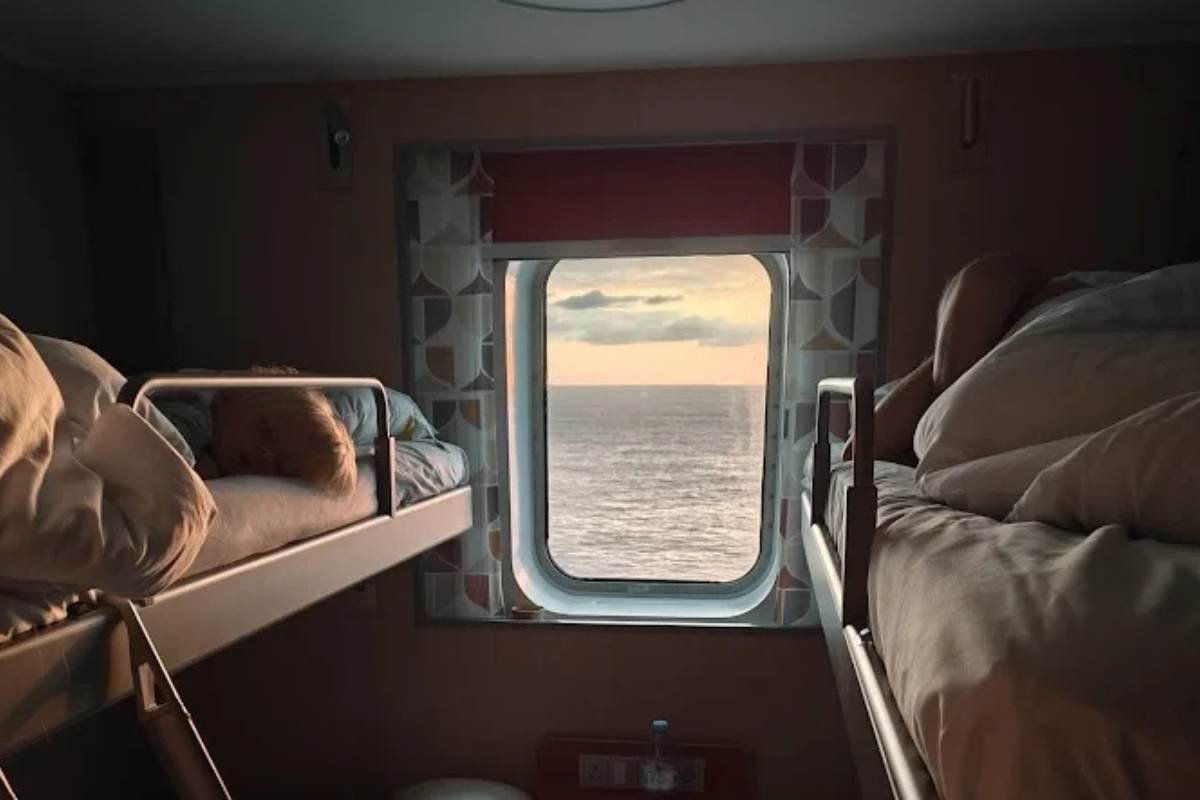
Cabins are the first thing to sell out on busy summer sailings. If your dates are fixed, book the cabin as soon as you book the crossing – and if the category you want has gone, keep checking back, as they free up when other people change plans.
Eating and entertainment on board
One of the quiet pleasures of an overnight crossing is that there is genuinely something to do. These are cruise-ferries, not no-frills shuttles, so the evening can feel like a short break in its own right rather than dead time to endure.
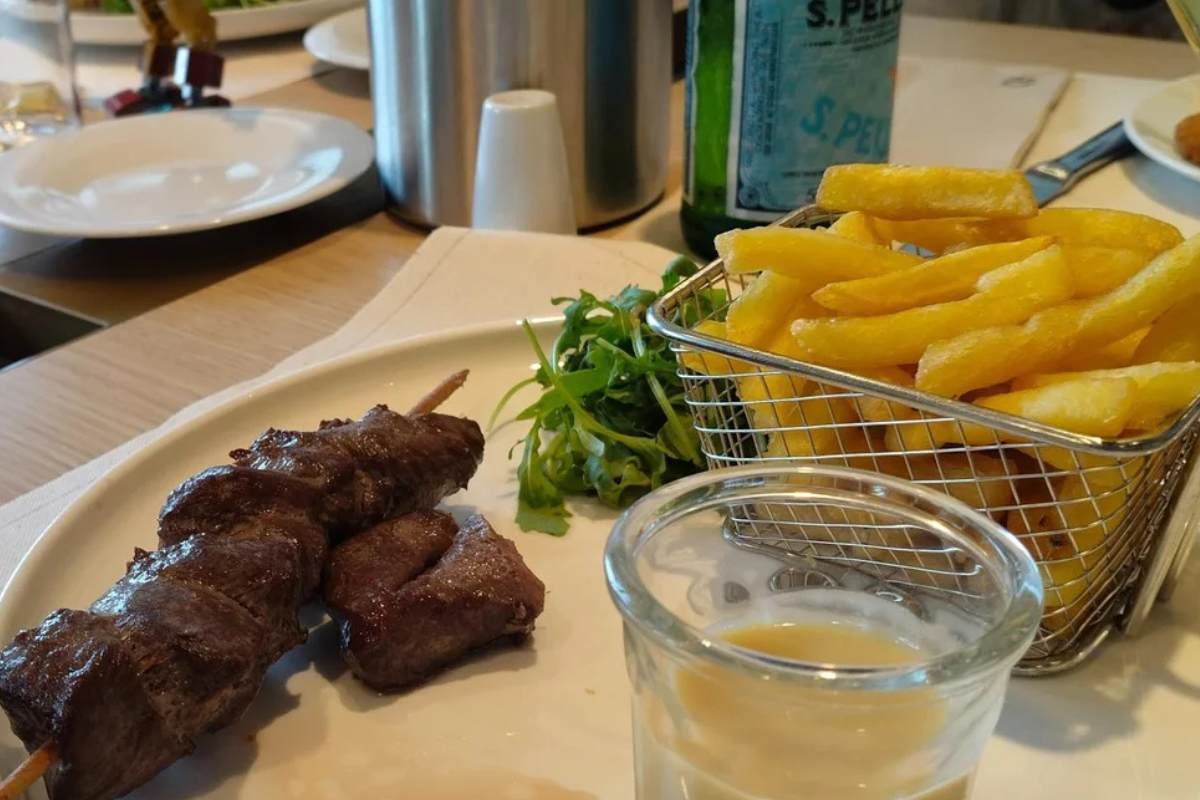
Eating well. Most ships have more than one place to eat: a self-service restaurant for something quick and family-friendly, and often a proper sit-down or a la carte restaurant if you fancy making an evening of it. There are bars for a drink with the sailing, cafes for coffee and pastries, and shops for last-minute bits. On the Brittany Ferries routes the French flavour starts the moment you board, which is half the fun. If you are travelling with the family, it is worth pre-booking a dinner table so you are not queueing at the busiest moment.
Something to do after dinner. The larger ships carry more than you might expect. Depending on the vessel you may find a cinema showing recent films, live music in the bar, a kids’ play area, and plenty of deck space to watch the sun go down over the water. It is the part of the trip that turns “getting there” into part of the holiday – have dinner, catch a film, then turn in and wake up in France.
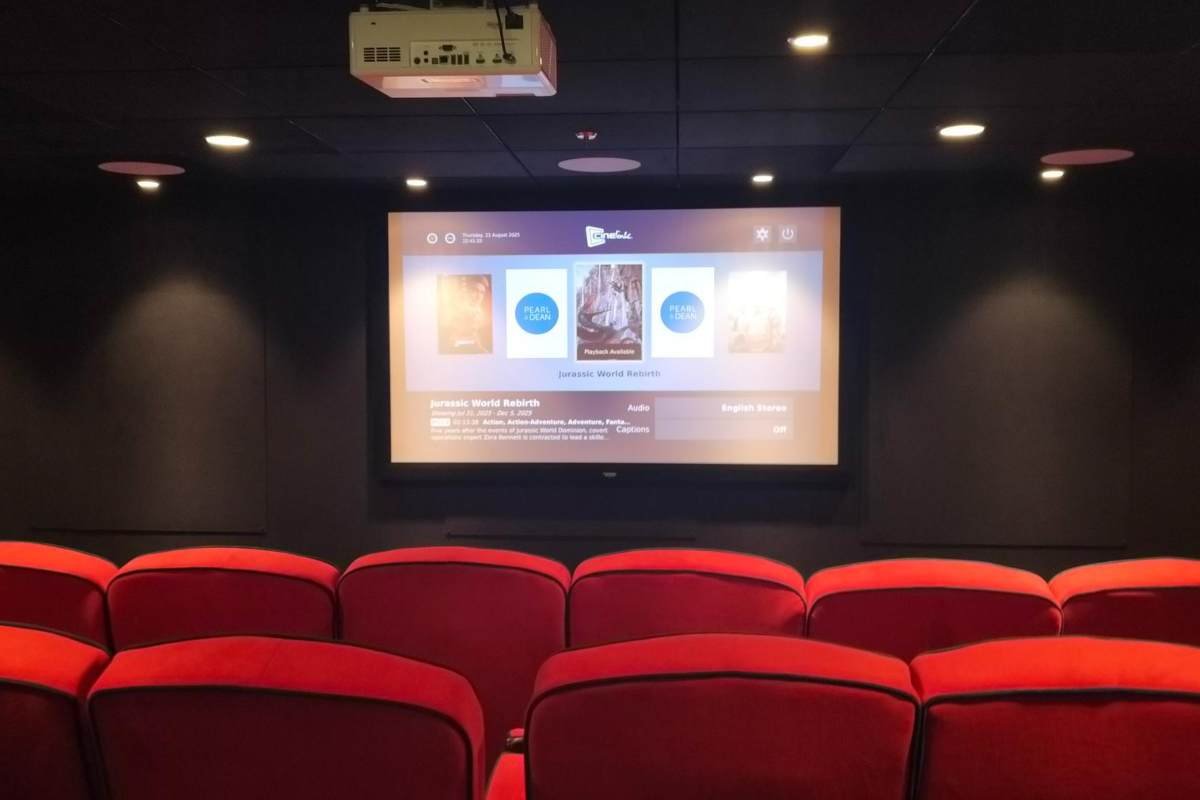
Entertainment varies a lot by ship and by season, so it is worth checking what is on your particular sailing. The bigger cruise-ferries on the longer routes generally have the fullest line-up.
What a night crossing is actually like
You board in the evening and leave the car on the vehicle deck – you cannot return to it during the crossing, so take an overnight bag with everything you need for the night and morning. Once you have found your cabin and dropped your things, the evening is yours: dinner, a drink, a film, or simply watching the lights of the port slip away.
By morning the announcement to return to your vehicle comes early – so set an alarm, allow time for a shower if your cabin has one, and grab breakfast before the rush. Then it is down to the car deck and off into France, with the whole day ahead of you instead of a long drive behind.
Tips for a smooth overnight crossing
- Pack an overnight bag for the cabin – you cannot get back to the car once at sea.
- Book the cabin early, especially in summer and school holidays.
- Pre-book dinner if you are travelling as a family; it removes a lot of queueing stress.
- Set a morning alarm – the call to the car deck comes sooner than you expect.
- Sort your Crit’Air sticker and France driving kit before you go. See our driving in France guide for the full list.
Frequently asked questions
Which UK ports have overnight ferries to France?
Do I have to book a cabin on an overnight ferry?
How long do the overnight crossings take?
Is an overnight ferry to France worth it over Dover-Calais?
Can foot passengers take the overnight ferries?
When should I book for the best price and cabin choice?
Ready to find your crossing? Use the planner on the homepage, or browse all the routes we cover.